
How Autonomous FPV Drone Targeting Is Changing the Dynamics of Close-Range Combat
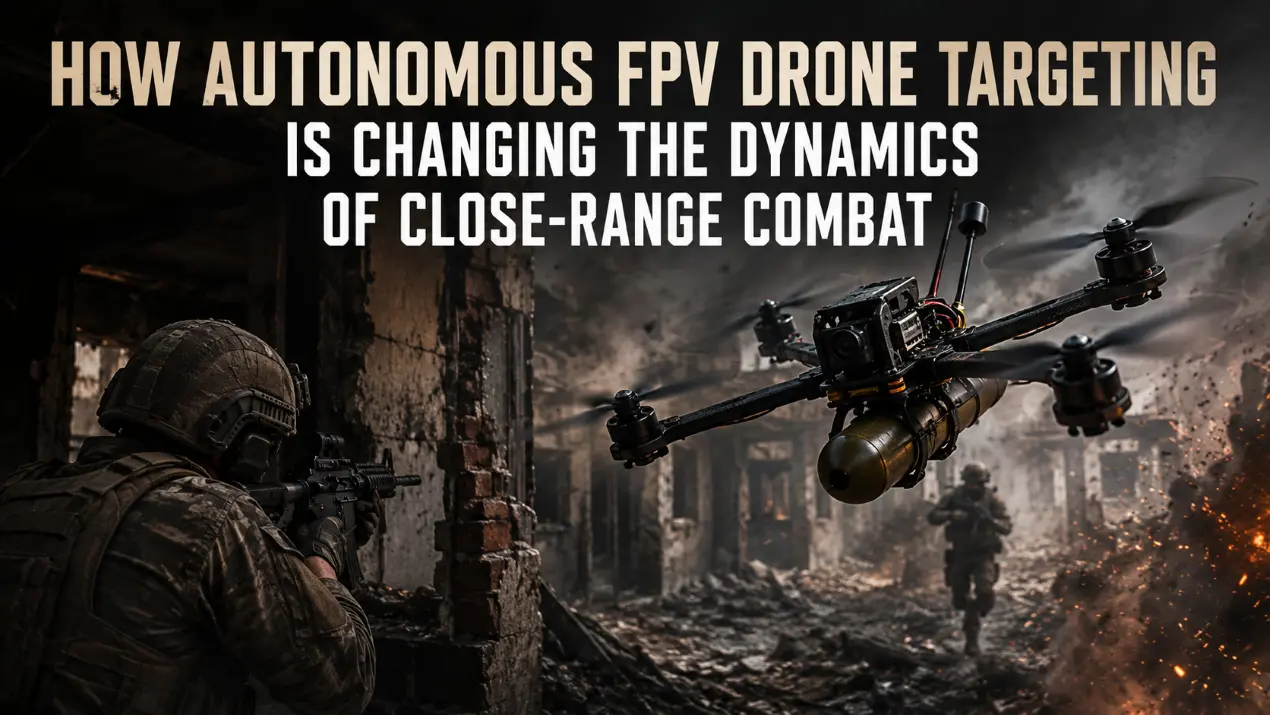
The battlefield has changed. Where soldiers once relied on heavy artillery or air support for precise strikes, a more compact, intelligent solution now dominates the front lines. The recent shift toward autonomous FPV drone targeting represents a clear evolution in how we view close-range engagement. As this technology redefines modern warfare, Gulf nations have taken note. With a clear appetite for combat-proven hardware, regional defense planners in the UAE and Qatar understand that Ukraine possesses some of the most battle-hardened technology on the planet today.
Understanding the Technology
Some analysts misunderstand the role of automation here. The drone does not search, identify, and strike on its own. A human pilot controls the flight path entirely during the search and approach phases. Automation enters the loop only at the very end of the flight. Once the pilot locks onto a target, the machine vision takes over for the terminal dive. This split-second assistance improves accuracy when the drone faces high-speed maneuvers or sudden movements from the target.
The move toward this terminal guidance changes the risk calculation for the operator. Previously, a pilot faced a massive disadvantage if signal interference spiked near the target. Now, the onboard computer maintains the lock even if the video feed cuts out for a moment. This shift creates several distinct advantages for small unit tactics:
- Precision increases dramatically against moving vehicles or high-value targets.
- Pilot stress levels decrease because the system manages the final, most difficult seconds of the flight.
- Operational range expands, as the pilot can trust the system to finalize the hit even in the event of complete signal loss or severe electronic warfare (EW) jamming during the terminal phase.
This technical leap transforms the pilot from a mere operator into a strategic coordinator. By relying on computer vision for the final approach, the system guarantees a strike even when geographical barriers or electronic interference sever the pilot’s video feed. Such systems keep the human element in control while maximizing the potential for a successful hit.
The View from the Gulf
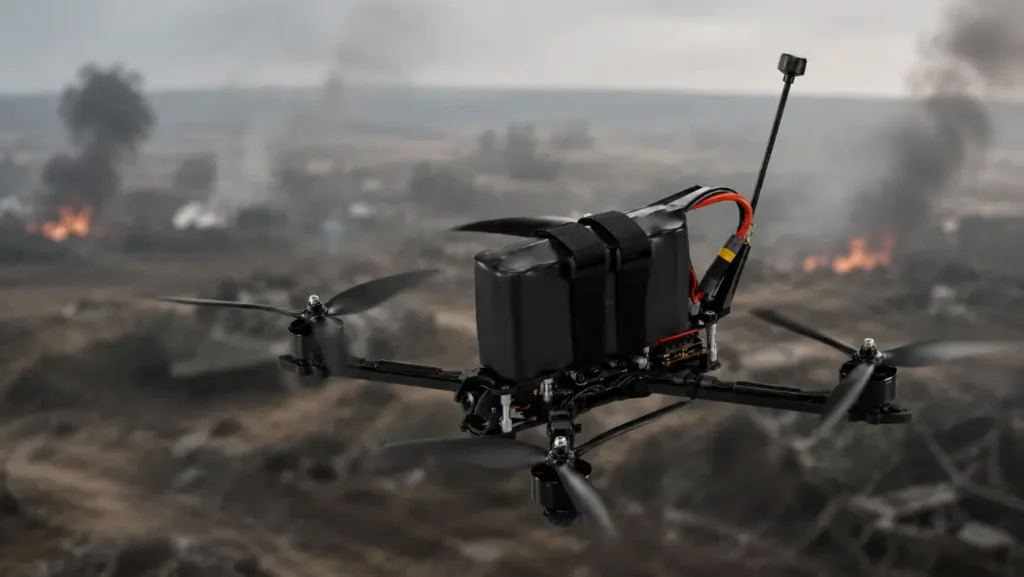
Gulf countries maintain a sharp eye on these developments. There is a palpable demand for unmanned systems that operate in harsh environments, such as intense heat or heavy dust. Ukrainian developers have met these challenges with hardware that works, regardless of the terrain.
Firms like SkyCraft have cultivated a reputation for this specific type of durability. Their systems handle complex flight paths and electronic interference with impressive stability. Regional leaders want to acquire tech that has survived the crucible of actual war.
They know that lab-tested equipment differs vastly from gear that stays operational after months of daily use in the field. By integrating these Ukrainian platforms, Gulf defense forces can gain a significant edge in local readiness.
The necessity for such tech stems from a clear need for precision in modern asymmetrical warfare. Conventional heavy weapon systems often struggle to track the fast-moving, small-footprint threats that define today’s battles. By deploying FPV drones, commanders can strike with surgical accuracy. This capability creates a massive advantage for any defense force that prioritizes mobility and rapid response.
The interest from the UAE, Qatar, and other regional powers stems from a desire to modernize their own inventories with hardware that performs. They do not want prototypes that function well in a controlled room. They demand systems that perform under the harsh realities of active combat.
This is where the Ukrainian supply chain proves its worth. These drones underwent real-world testing that no simulation could replicate. Every hour of flight time under fire improved the software and the hardware durability. Consequently, Gulf defense procurement teams see these systems as a smart investment for their own national security goals.
The Future of Tactical Engagement
The future of tactical engagement relies on this synergy between man and machine. Automation will not replace the human pilot, but it will certainly make that pilot significantly more effective.
For the UAE and its neighbors, the path forward involves adopting these proven, intelligent systems to protect national interests and maintain regional security. By prioritizing tech that offers tangible, field-tested results, these nations can ensure their defense capabilities remain at the forefront of modern conflict.